© 2026 Designpunkt
Math Jams
Designpunkt crew:
Maria Petrova—Direction, Design
Tamara Arkatova—Lettering
Anna Koltsova—Illustration
Designpunkt crew:
Maria Petrova—Direction, Design
Tamara Arkatova—Lettering
Anna Koltsova—Illustration
Identity system, character design, and privacy-friendly player identities for Math Jams, a collaborative math platform for young students.
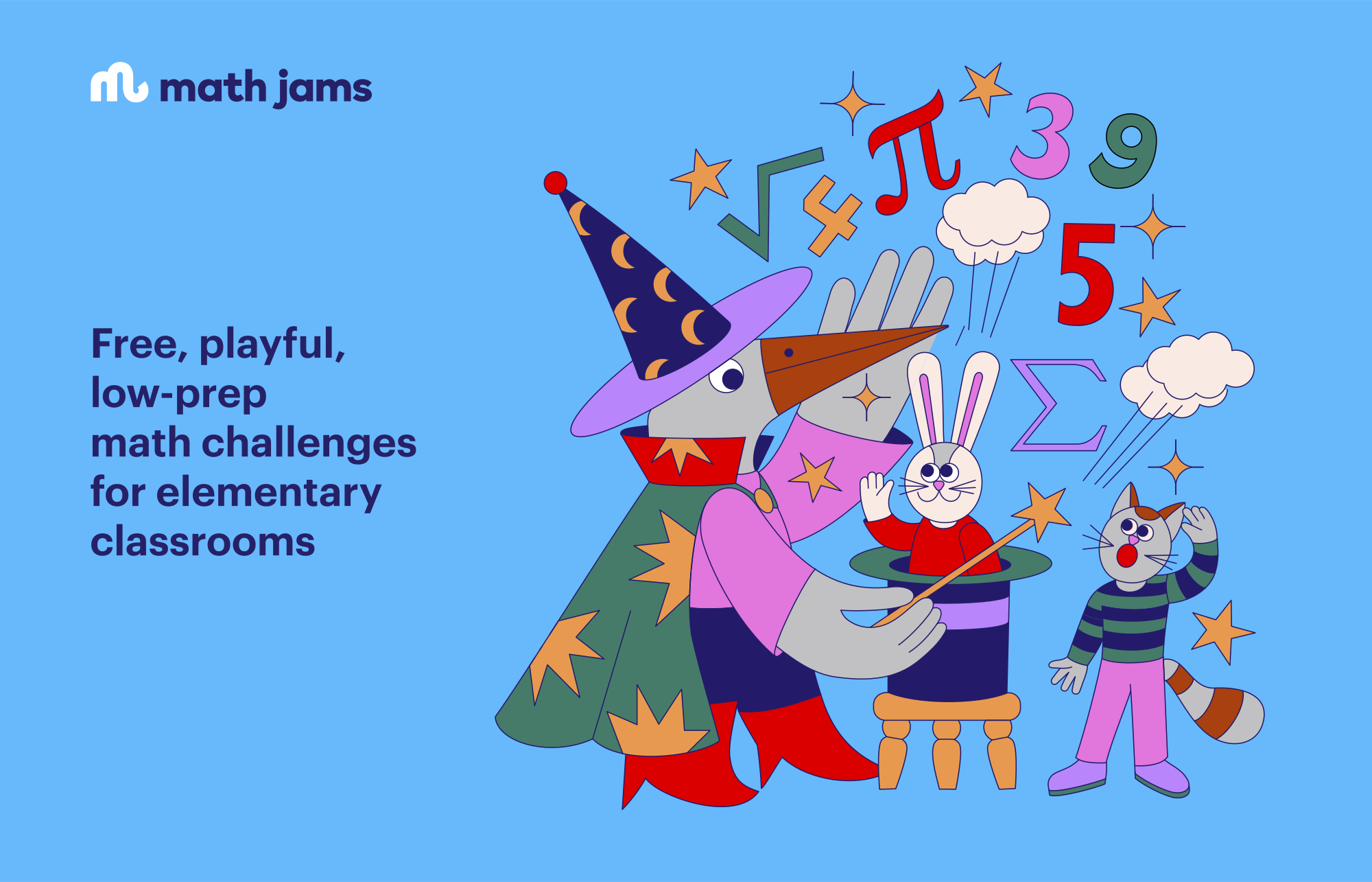
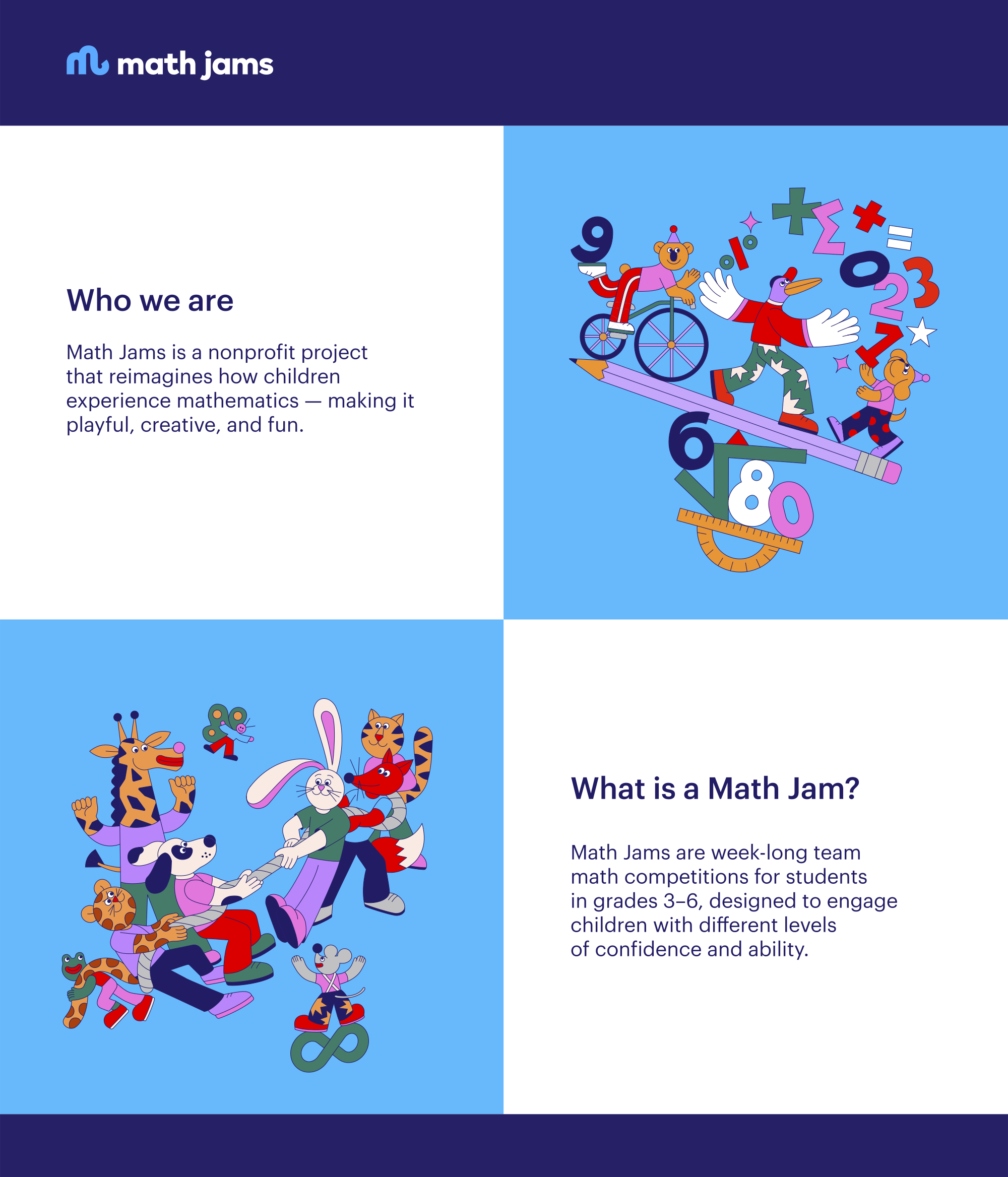
Math Jams is a nonprofit educational initiative designed to make mathematics feel playful, collaborative, and rewarding for elementary school students. The platform hosts team-based math competitions where classrooms solve challenges together, turning problem solving into a shared experience rather than an individual test.
Our task was to create a visual identity system for the platform, including the logo, illustration style, player avatars, and a system of participant identities.
Math Jams is a nonprofit educational initiative designed to make mathematics feel playful, collaborative, and rewarding for elementary school students. The platform hosts team-based math competitions where classrooms solve challenges together, turning problem solving into a shared experience rather than an individual test.
Our task was to create a visual identity system for the platform, including the logo, illustration style, player avatars, and a system of participant identities.

The logo’s elephant icon is built from the letters M and J, turning the project’s initials into a playful, memorable character.
Designing for children means designing for privacy
One of the project's most interesting challenges came from child safety and privacy requirements. Students participating in Math Jams cannot create custom usernames or upload personal avatars, as this could inadvertently expose personal information.
Instead of treating this restriction as a limitation, we turned it into a feature.
We developed a modular identity system consisting of two independent components:
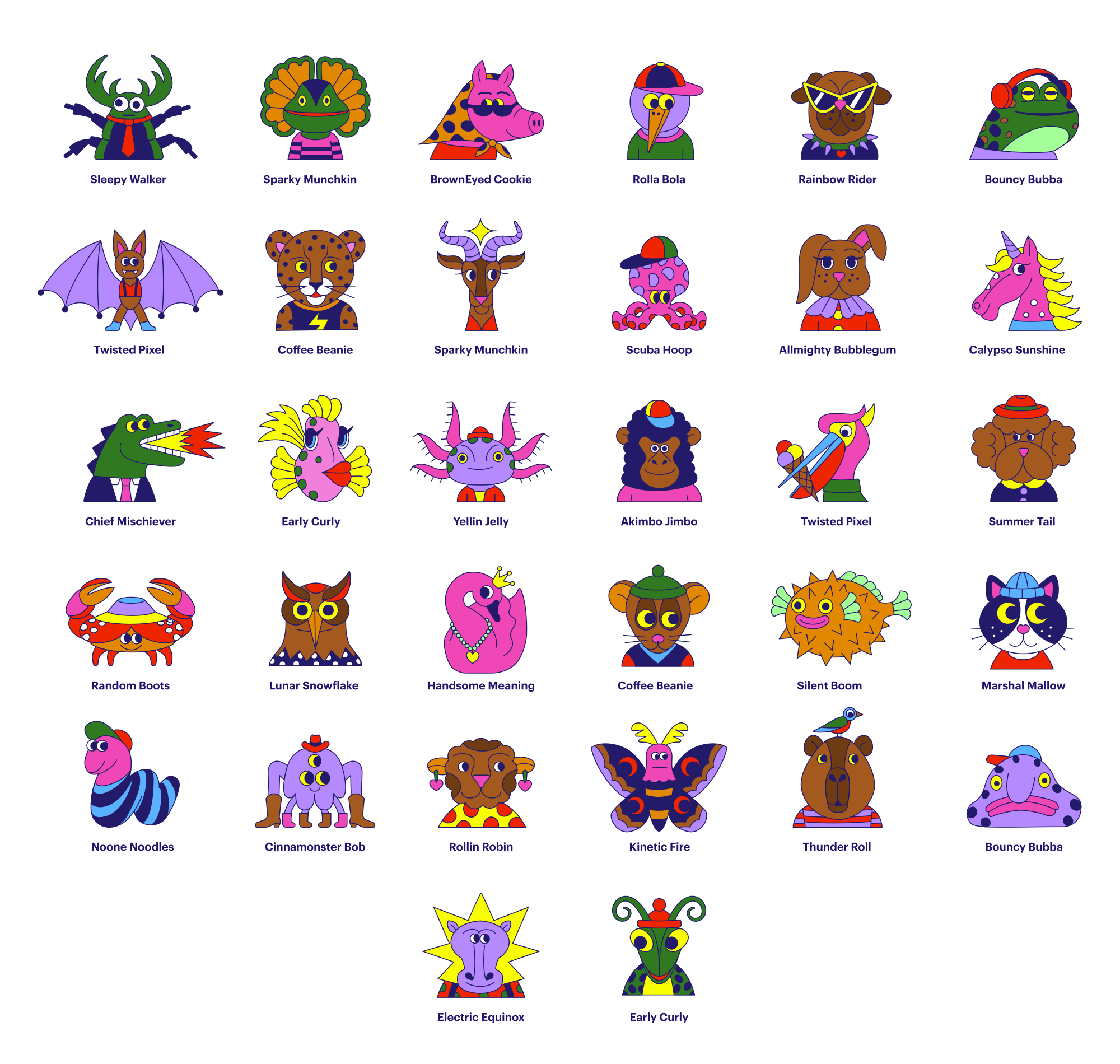
— a collection of illustrated character avatars;
— a large library of pre-generated playful usernames.
Students can combine avatars and usernames freely, creating a unique identity for each Math Jam without revealing any personal information. The process of choosing an identity became an additional layer of play and self-expression within the experience.
Instead of treating this restriction as a limitation, we turned it into a feature.
We developed a modular identity system consisting of two independent components:
— a collection of illustrated character avatars;
— a large library of pre-generated playful usernames.
Students can combine avatars and usernames freely, creating a unique identity for each Math Jam without revealing any personal information. The process of choosing an identity became an additional layer of play and self-expression within the experience.
Character system
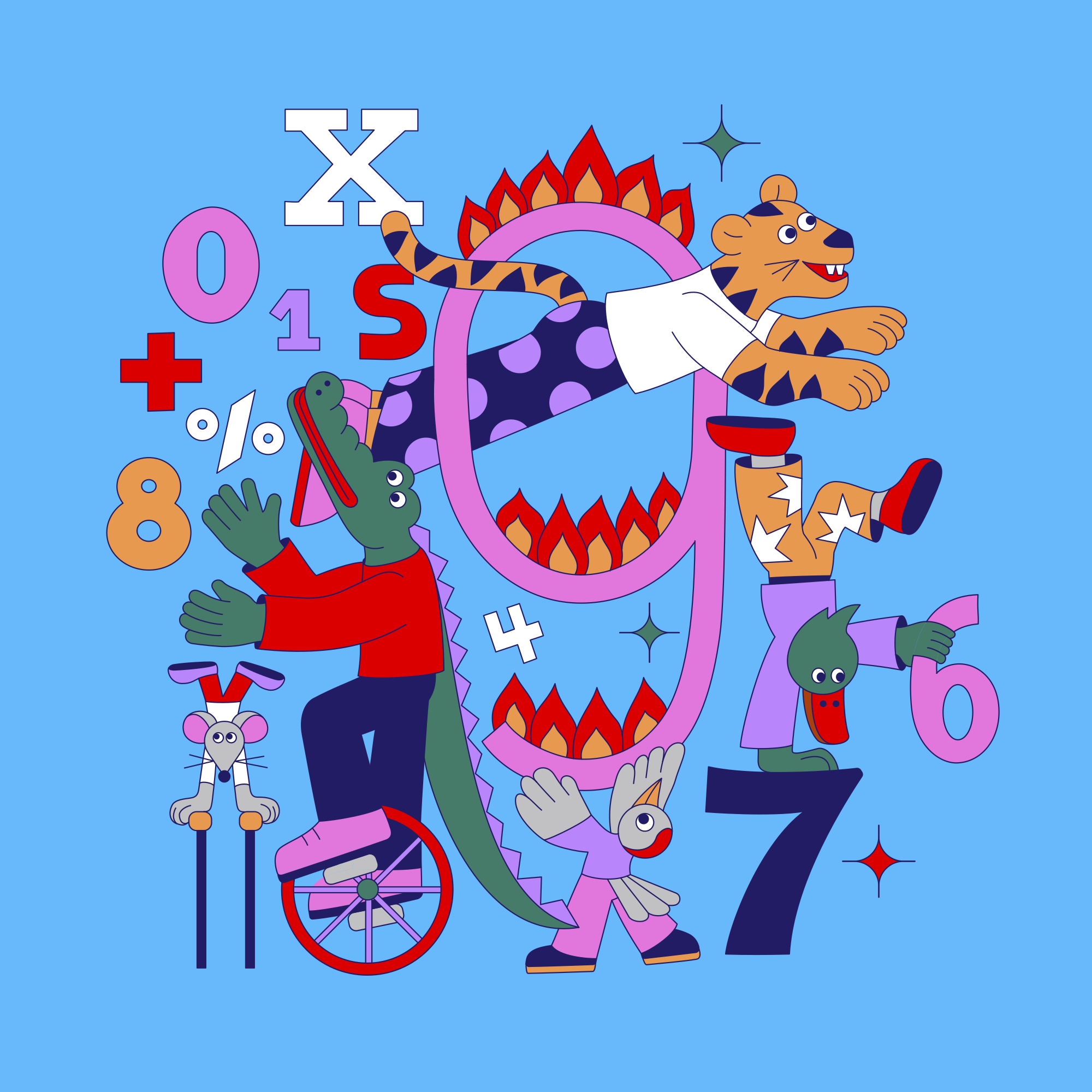
We created a diverse cast of colorful characters—strange, funny, confident, awkward, mischievous, and completely unpredictable. The goal was not to design mascots with predefined personalities, but rather to create a visual vocabulary broad enough for every child to find a character that felt uniquely theirs.
The accompanying username system followed the same principle: unexpected combinations, memorable rhythms, and just enough absurdity to encourage experimentation and ownership.
As a result, the identity system became more than a safety mechanism—it became part of the game itself.
The accompanying username system followed the same principle: unexpected combinations, memorable rhythms, and just enough absurdity to encourage experimentation and ownership.
As a result, the identity system became more than a safety mechanism—it became part of the game itself.